Lemur Marketing

Tag: contractors

  • Choosing the Right Local SEO Company for Your Business

    Choosing the Right Local SEO Company for Your Business

    If you’re a home remodeling contractor in the Chicago suburbs and you’ve been thinking about hiring a local SEO company in Des Plaines, ILyou’re probably already frustrated, frustrated that your phone isn’t ringing as much as it should, that competitors seem to show up everywhere online while you’re invisible, and that nobody has given you a straight answer about what actually works. This article is that straight answer.

    A computer displaying a website, symbolizing the importance of local SEO for businesses.

    Why Showing Up on Google Isn’t Luck, It’s a System

    A lot of contractors assume that Google rankings are some kind of mystery. They’re not. There’s a specific set of signals Google uses to decide who shows up when someone in Des Plaines types “kitchen remodeler near me” or “basement finishing contractor.” Things like your Google Business Profile, the consistency of your business information across the web, the quality of your reviews, and how well your website communicates what you do and where you do it.

    The contractors who rank well aren’t smarter than you. They just have someone managing those signals intentionally. If you want to understand exactly what goes into those rankings, the breakdown of local SEO ranking factors in 2026 is worth reading before you make any decisions about who to hire or what to spend.

    One of the most overlooked pieces of this system is the Google Business Profile. For remodeling contractors especially, this is often the first thing a potential customer sees, before they ever visit your website. A neglected profile with outdated photos, no recent reviews, and incomplete service information is actively costing you jobs. A well-managed profile does the opposite.

    The Mistake Contractors Make When They Start Thinking About SEO

    Here’s what typically happens: a contractor decides it’s time to get serious about online marketing, they Google a few agencies, pick one based on price or a slick pitch, and then wait. Three months later, nothing has changed. Six months later, they’ve spent real money and have nothing to show for it.

    The problem usually isn’t that SEO doesn’t work, it’s that the wrong things were prioritized. Some agencies focus on vanity metrics. They’ll show you traffic reports and keyword rankings that look impressive but don’t translate into phone calls from homeowners in your actual service area. For a remodeling contractor in the northwest suburbs, ranking for a generic keyword that pulls in traffic from Indiana is worthless.

    Good search optimization for contractors is hyper-local. It’s about showing up when someone in Park Ridge, Elk Grove Village, or Mount Prospect is looking for exactly what you do. That requires a different approach than what most generalist agencies offer. Before you sign anything, it’s worth understanding how long contractor SEO actually takes to produce leadsbecause realistic expectations are the difference between a successful engagement and a wasted budget.
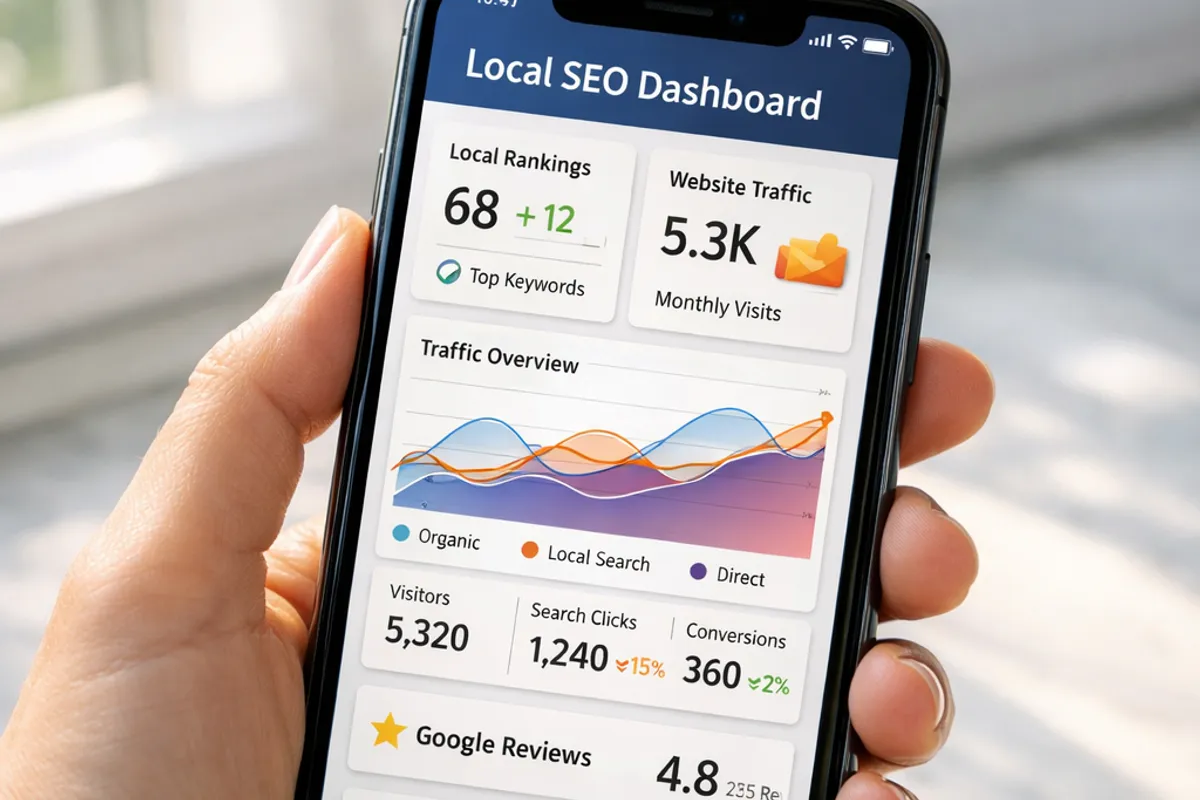
    A smartphone displaying a local SEO dashboard with graphs and analytics on a marble surface.

    What a Real Search Strategy Looks Like for a Remodeling Contractor

    When Lemur Marketing works with a contractor in the Des Plaines area, the process starts with an SEO audit included in the initial consultation. That audit looks at where you currently stand, your website’s technical health, how your Google Business Profile is set up, what your competitors are doing well, and where the gaps are. From there, the strategy is built around closing those gaps in a way that drives actual leads.

    That usually means a combination of things working together. Your website needs to clearly communicate your services, your location, and why a homeowner should trust you with their project. Your Google Business Profile needs regular attention, updated photos, responses to reviews, accurate service areas. And the content on your site needs to speak to the specific neighborhoods and communities you serve.

    For contractors who also want faster results while the organic strategy builds momentum, paid options like Local Service Ads can fill the gap. These are Google’s pay-per-lead ads that show up above everything else in search results and carry a Google-guaranteed badge, something that carries real weight with homeowners who don’t know you yet.

    How to Know If You’re Actually Getting What You’re Paying For

    This is where a lot of contractors get burned. They’re paying a monthly retainer but have no clear sense of what’s being done or whether it’s working. A legitimate search marketing partner should be able to show you, in plain language, what was done each month and how it connects to lead generation. Not just traffic. Not just rankings. Actual calls and form submissions from people in your service area.

    Some contractors who’ve worked with agencies in the area have shared that the biggest relief was finally having someone explain what was happening and why, not just sending a report full of numbers that don’t mean anything. That kind of transparency matters, especially when you’re running a business and don’t have time to become an expert in digital marketing yourself.

    If you’re evaluating your options and want a realistic picture of what professional search marketing costs for contractors, the real numbers behind local SEO costs in 2026 lay it out clearly, no fluff, no vague ranges. Just honest information so you can make a smart decision about where to put your marketing dollars.

    The contractors who grow consistently aren’t the ones who spend the most on marketing. They’re the ones who spend it in the right places, with people who understand their industry and their market.

    Frequently Asked Questions

    How long will it take before I start getting calls from homeowners in Des Plaines after starting search marketing?

    The article points to a linked resource specifically about realistic timelines for contractor SEO, which signals that the answer isn’t a simple number, it depends on where you’re starting from and what’s being fixed first. What the article does make clear is that contractors who go in with unrealistic expectations are the ones who pull the plug too early and waste their budget. Getting a proper audit done upfront gives you a clearer picture of how much ground needs to be covered before leads start moving.

    My Google Business Profile is set up, isn’t that enough to show up when someone in Des Plaines searches for a remodeler?

    Setting it up is just the starting point; the article specifically calls out neglected profiles with outdated photos, no recent reviews, and incomplete service information as something that actively costs contractors jobs. A profile needs regular attention, updated photos, responses to reviews, and accurate service areas, to actually work in your favor. Think of it less like a one-time task and more like a storefront window that needs to look current every time someone walks by.

    What exactly does Lemur Marketing look at during the initial audit for a Des Plaines contractor?

    The audit covers four specific areas: your website’s technical health, how your Google Business Profile is set up, what your competitors are doing well, and where the gaps are between you and them. That information is what drives the actual strategy, there’s no guessing about what to fix first. The article is clear that the audit is included in the initial consultation, so it’s not something you pay extra for upfront.

    What are Local Service Ads and should I be running them while waiting for organic rankings to build?

    Local Service Ads are Google’s pay-per-lead ads that appear above everything else in search results and come with a Google-guaranteed badge, which the article notes carries real weight with homeowners who don’t know you yet. The article positions them as a way to fill the lead gap while the longer-term organic work builds momentum, not as a replacement for it. The key difference from regular ads is that you pay per lead, not per click, which changes the math considerably for a remodeling contractor.

    How do I know if the agency I’m paying each month is actually doing anything useful for my Des Plaines remodeling business?

    The article is direct about this: a legitimate partner should be able to show you in plain language what was done each month and how it connects to actual calls and form submissions from people in your service area, not just traffic numbers or keyword rankings that don’t mean anything. Ranking for a keyword that pulls in traffic from Indiana is the specific example the article uses to describe what worthless reporting looks like. If your current agency can’t connect their monthly report to real leads from Park Ridge, Elk Grove Village, or Mount Prospect, that’s a problem worth addressing.

    Get Directions to Lemur Marketing

    🎧 Listen to this as a podcast

    Also on Apple Podcasts, Spotify, and Amazon Music.

  • Is Your Marketing Budget Working Hard Enough? the Role of a PPC Agency

    Is Your Marketing Budget Working Hard Enough? the Role of a PPC Agency

    If you run a remodeling business and you’ve ever wondered where your advertising dollars actually go, working with a PPC agency in Des Plaines, IL might be the clearest answer you’ll find. Pay-per-click advertising puts your business in front of homeowners at the exact moment they’re searching for what you offer, not a week later, not after they’ve already called three competitors. Done right, it’s one of the most direct lines between your marketing spend and your phone ringing.

    A hand holds a magnifying glass over an analytics report with colorful graphs, highlighting data analysis.

    Why Throwing Money at Google Isn’t the Same as Running a Campaign

    A lot of contractors have tried Google Ads on their own. They set up an account, pick a few keywords, enter a credit card, and wait. Sometimes they get a handful of clicks. Often they get calls from people three counties away looking for something they don’t even offer. Then they decide paid ads “don’t work” and move on.

    The problem isn’t the platform. It’s the setup. Running paid search effectively means understanding match types, negative keywords, bid strategies, quality scores, and landing page alignment. It means knowing that a kitchen remodeler in Des Plaines doesn’t need to show up for searches in Rockford. Every dollar spent outside your service area or on the wrong search intent is a dollar that will never come back.

    A focused paid search strategy starts with tight geographic targeting, a clear list of what you do and don’t want to show up for, and landing pages that are built to convert, not just look nice. If you want to understand what separates a well-built campaign from a wasted budget, the comparison between Google Pay Per Lead and Google Ads for contractors is worth reading before you spend another dollar.

    The Numbers That Actually Matter When You’re Paying Per Click

    One thing that surprises contractors when they start working with a real paid advertising team is how much the conversation shifts away from clicks and toward leads and booked jobs. Clicks are a means to an end. What matters is cost per lead, lead quality, and ultimately, what each new customer is worth to your business.

    For a bathroom remodeler with an average project value of $15,000, spending $400 to acquire a qualified lead makes complete sense. Spending $400 on 200 clicks that bounce off a slow, generic website makes no sense at all. This is why paid search and a well-built contractor website are not separate conversations, they’re the same conversation.

    The best paid search managers are obsessive about data. They’re watching which ads drive calls, which keywords convert, which times of day produce the best leads, and which landing page variations outperform others. That level of attention is what separates a managed campaign from a set-it-and-forget-it account that quietly drains your budget every month.

    A hand adjusts settings on a digital advertising dashboard with vibrant PPC statistics, highlighting focused analysis.

    Local Knowledge Changes What’s Possible With Paid Ads

    There’s a real difference between a national agency that runs cookie-cutter campaigns for contractors across the country and a team that actually understands the Chicagoland market. Lemur Marketing works specifically with home remodeling contractors in and around Des Plaines, which means the targeting decisions, the ad copy, and the seasonal strategy are built around what actually drives leads in this area, not what worked for a roofing company in Phoenix.

    Local market knowledge shapes everything from which neighborhoods to prioritize to how to position your ads against competitors who are also bidding on the same terms. Homeowners in the northwest suburbs have specific expectations. They’re researching carefully, comparing multiple contractors, and making significant financial decisions. Your ads need to speak to that mindset, not just shout a generic headline into the void.

    Clients who’ve worked with locally-focused paid search teams consistently say the same thing: the leads feel different. More relevant. More serious. That’s not an accident, it’s the result of targeting built on actual knowledge of the market rather than broad assumptions.

    Paid Search Doesn’t Exist in a Vacuum

    One of the biggest mistakes contractors make is treating paid advertising as a standalone fix. It works best when it’s part of a broader strategy. If someone clicks your ad and lands on a page that loads slowly, has no clear call to action, and looks like it was built in 2014, you’ve paid for a visitor who left immediately. If your Google Business Profile is incomplete or has no reviews, the homeowner who saw your ad and then searched your name may not call.

    The same logic applies in reverse. Google Ads for contractors can generate immediate visibility while longer-term strategies like local SEO build over time. Using both together means you’re not waiting months to see results, but you’re also building something sustainable rather than paying for every single visitor indefinitely.

    Paid search is a powerful tool. It’s also a tool that rewards expertise, attention, and local context. If your current campaigns aren’t producing leads that turn into real jobs, the problem usually isn’t the channel, it’s how the channel is being managed. Getting that right is exactly what a skilled paid advertising team is built to do.

    Frequently Asked Questions

    How much should I expect to spend to get a qualified lead through paid search as a remodeler in Des Plaines?

    The article uses a bathroom remodeler as a real example: if your average project is worth $15,000, spending $400 to acquire one qualified lead is a reasonable number to work with. What kills budgets isn’t the cost per lead, it’s paying for clicks that land on a slow or generic page and bounce immediately. The math only works when your ads, your targeting, and your landing page are all pulling in the same direction.

    I tried Google Ads on my own and got calls from people way outside my service area, is that normal?

    Yes, and it’s one of the most common problems contractors run into when they set up campaigns without understanding geographic targeting and negative keywords. Without tight controls, Google will happily show your ad to someone in Rockford searching for a kitchen remodeler, and you’ll pay for that click just the same as a qualified one from Des Plaines. Getting this right means knowing exactly where you do and don’t want to show up before you spend a single dollar.

    What’s the difference between working with a local paid search team versus a national agency that handles contractors everywhere?

    A national agency builds campaigns around broad assumptions, what worked for a roofing company in Phoenix may have nothing to do with what drives leads in the northwest suburbs of Chicago. Local knowledge shapes specific decisions: which neighborhoods to target, how to write ad copy that speaks to how Chicagoland homeowners actually research and compare contractors, and how to adjust strategy by season. Those details add up to leads that feel more relevant and more serious, not just more clicks.

    If I’m already running paid ads, how do I know if my campaign is actually being managed or just left alone?

    A well-managed campaign means someone is actively watching which ads drive calls, which keywords convert, which times of day produce the best leads, and which landing page versions outperform others. If nobody has touched your account in weeks or you can’t get a straight answer on cost per lead, that’s a set-it-and-forget-it account quietly draining your budget. The difference between active management and neglect is usually visible in your results within a month or two.

    Do I need to fix my website before running paid ads, or can I start the ads first?

    The article is direct about this: paid search and your website are not separate conversations, they’re the same one. If someone clicks your ad and lands on a page that loads slowly, has no clear call to action, or looks outdated, you’ve paid for a visitor who left without contacting you. Getting the landing page right isn’t optional; it’s what determines whether your ad spend produces leads or just traffic.

    Get Directions to Lemur Marketing

    🎧 Listen to this as a podcast

    Also on Apple Podcasts, Spotify, and Amazon Music.

  • Is Your Contractor Business Ready for a Local SEO Company Boost?

    Is Your Contractor Business Ready for a Local SEO Company Boost?

    When a homeowner in the northwest suburbs needs a kitchen remodeler or a fence contractor, they’re not flipping through a phone book, they’re typing into Google and clicking the first few results that show up. That’s exactly why working with a reliable SEO company in Des Plaines, IL has become less of a luxury and more of a survival strategy for local contractors. The question isn’t whether search visibility matters. It’s whether your business is actually set up to benefit from it.

    A luxury brick house with a large terrace, fire pit, and a well-kept garden, showcasing quality craftsmanship.

    Why Most Contractor Websites Are Quietly Bleeding Leads

    Here’s something that doesn’t get said enough: a contractor can have a perfectly decent-looking website and still lose jobs to competitors every single week. The issue usually isn’t design, it’s discoverability. If Google can’t figure out what you do, where you do it, and who you serve, it won’t show your site to the people searching for your services.

    Local search rankings depend on a handful of signals that most contractors have never thought about, things like how your business name, address, and phone number appear across the web, whether your Google Business Profile is fully optimized, and how your website’s content maps to the actual phrases homeowners type when they need help. Miss a few of these, and you’re invisible to the exact people who are ready to hire.

    The good news is that these gaps are fixable. The frustrating part is that most contractors don’t know they exist until they start losing bids to a competitor who showed up first in search results.

    What Actually Moves the Needle, and What Doesn’t

    A lot of contractors have been burned by vague promises. Someone sold them a “digital marketing package,” collected a monthly fee, and delivered a report full of numbers that didn’t translate into phone calls. That experience is more common than it should be.

    Real local search improvement comes from a focused set of actions: building location-relevant content that matches how homeowners actually search, earning citations and backlinks from credible local sources, keeping your Google Business Profile active and accurate, and making sure your website loads fast and converts visitors into callers. If you want a deeper look at what’s driving rankings right now, the local SEO ranking factors that matter in 2026 have shifted in some meaningful ways worth understanding.

    One thing that trips up a lot of contractors is timeline expectations. Search visibility builds over months, not days. If someone is promising you page-one rankings in two weeks, walk away. A more honest breakdown of how long contractor SEO takes to produce leads shows that the businesses who stick with it consistently are the ones who see compounding results over time.

    A charming wooden house porch with a decorative entrance and picket fence, symbolizing local business appeal.

    The Local Angle That Bigger Agencies Miss

    National marketing agencies often treat local contractors like they’re selling a product online. They apply cookie-cutter strategies built for e-commerce and wonder why the phone isn’t ringing. Contractor marketing in a place like Des Plaines operates on completely different logic.

    Homeowners here are hiring someone to come into their home. Trust is the deciding factor, and trust gets built through local signals, reviews from neighbors, a business address that matches the area, content that references the specific communities being served. A contractor who shows up in Schaumburg, Park Ridge, and Rosemont searches, not just a generic metro-wide result, is going to win more calls from people who are actually ready to move forward.

    Lemur Marketing works specifically with contractors across Chicagoland and understands that the suburbs northwest of the city have their own competitive landscape. Clients who’ve worked with the team consistently mention that the focus on their specific service area, rather than a broad, diluted approach, is what made the difference. That kind of local specificity isn’t something a large national agency is going to prioritize.

    Before You Hire Anyone, Know What You’re Starting With

    The smartest move a contractor can make before committing to any search marketing investment is getting a clear picture of where they stand. That means looking at what keywords you currently rank for, how your competitors are positioned, what your website is doing well and where it’s falling short, and whether your online presence is consistent across directories and platforms.

    A proper consultation, one that includes an audit of your current visibility, gives you real data to work from instead of guesses. It also tells you whether search optimization alone will solve the problem or whether other channels like Local Service Ads or Google Ads should be part of the mix.

    The contractors who get the best results from search marketing aren’t necessarily the ones with the biggest budgets. They’re the ones who went in with a clear strategy, realistic expectations, and a partner who actually understood their trade and their market. That combination, specific expertise, local focus, and honest timelines, is what separates a marketing investment that pays off from one that just drains the bank account.

    If your business is ready to stop leaving leads on the table, the starting point is understanding exactly where you stand right now.

    Frequently Asked Questions

    How long will it realistically take before I start getting more calls from search results?

    Search visibility builds over months, not days or weeks, contractors who stick with it consistently are the ones who see results that compound over time. If anyone promises you page-one rankings in two weeks, that’s a red flag worth taking seriously, and walking away is the right call.

    My website looks fine to me, why would I still be losing jobs to competitors in Des Plaines?

    A decent-looking website and a discoverable website are two completely different things, Google needs to clearly understand what you do, where you do it, and who you serve before it shows your site to anyone searching. Common gaps include inconsistent business name and address listings across the web, an incomplete Google Business Profile, and website content that doesn’t match the actual phrases homeowners type when they need a contractor.

    What should I expect from a first consultation before signing any kind of marketing agreement?

    A legitimate first step should include an actual audit of your current visibility, what keywords you rank for, how your competitors are positioned, and where your online presence has gaps across directories and platforms. That gives you real data to make a decision from instead of guessing, and it also helps clarify whether search optimization alone is the right move or whether something like Local Service Ads should be part of the picture.

    Why would a local Des Plaines contractor need a different approach than what a large national agency offers?

    National agencies tend to apply strategies built for e-commerce and then wonder why a contractor’s phone isn’t ringing, the logic is just different when you’re asking homeowners to let someone into their house. Local trust signals matter here: reviews from neighbors, a business address that matches the area, and content that references specific communities like Schaumburg, Park Ridge, or Rosemont rather than a vague metro-wide approach.

    I paid for a digital marketing package before and got reports but no actual leads, what went wrong?

    This is a common situation, reports full of numbers that don’t translate into phone calls usually mean the work wasn’t focused on the things that actually drive local search rankings for contractors. The actions that move the needle are specific: location-relevant content, citations and backlinks from credible local sources, an active and accurate Google Business Profile, and a website that loads fast and turns visitors into callers.

    Get Directions to Lemur Marketing

    🎧 Listen to this as a podcast

    Also on Apple Podcasts, Spotify, and Amazon Music.

  • How Local SEO Should Shape Which Marketing Agency a Contractor Hires

    How Local SEO Should Shape Which Marketing Agency a Contractor Hires

    If you’ve searched Google for a marketing agency recently, you already know the results can feel overwhelming. Dozens of agencies pop up, all promising the same things, more leads, better rankings, faster growth. But here’s what most of those listings won’t tell you: the agency’s own ability to show up in local search results is one of the most honest signals of whether they actually know what they’re doing. If they can’t rank themselves, why would you trust them to rank you?

    A minimalistic workspace with a laptop, coffee cup, and books, reflecting a focus on digital marketing.

    Your Agency’s Google Presence Is a Live Portfolio

    Think about it this way. A remodeling contractor who shows up consistently in local search, appearing in the map pack, earning strong reviews, ranking for neighborhood-specific searches, didn’t get there by accident. Someone built that. And the agency behind that work had to understand local SEO deeply enough to make it happen in a competitive market.

    When you’re vetting a marketing partner, look at how they perform in their own backyard. Do they appear in local searches for their own services? Do they have a complete, active Google Business Profile? Are their reviews recent and specific, or do they look like a collection of generic five-star ratings from years ago? These aren’t trick questions, they’re practical filters that save you from wasting money on an agency that talks a big game but can’t demonstrate results on their own behalf.

    Local SEO for home remodeling contractors involves a specific set of ranking factors that go well beyond basic website optimization. If you want to understand what actually moves the needle in 2026, this breakdown of local SEO ranking factors is worth reading before you make any decisions.

    The Contractor Market Around Chicago Is Not Forgiving

    Chicagoland is a dense, competitive region for home improvement businesses. A kitchen remodeler in Des Plaines is competing not just with the shop down the street, but with contractors from Schaumburg, Rosemont, and Park Ridge all chasing the same homeowners. That kind of market doesn’t reward generic marketing strategies built on templates and guesswork.

    What it rewards is specificity. An agency that understands the neighborhoods, the seasonal patterns of home improvement demand, and the way local homeowners actually search for services, that’s a different animal entirely from a national agency running cookie-cutter campaigns. Clients who’ve worked with locally-rooted agencies often describe the difference as feeling like they finally had someone in their corner who actually understood their business, rather than just managing a dashboard from somewhere across the country.

    Lemur Marketing, based right in Des Plaines, works specifically with contractors across the Chicagoland area, not as a side offering, but as the core of what they do. That focus matters when your livelihood depends on a steady pipeline of qualified local leads, not vanity metrics.

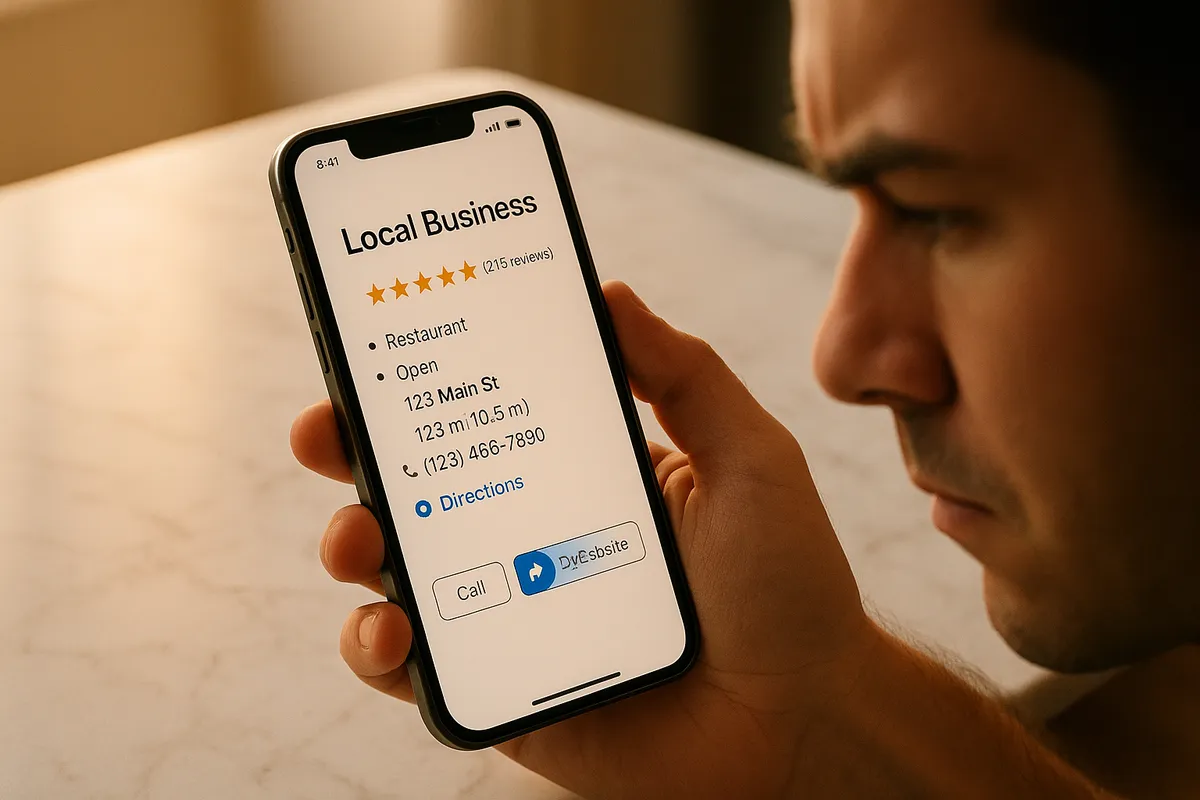
    A person holds a smartphone showing a local business listing, deep in thought at a marble table.

    What “Local” Actually Means When It Comes to Marketing Strategy

    There’s a version of “local marketing” that’s really just generic marketing with a city name dropped in. Then there’s the real thing, campaigns built around how specific communities search, what drives homeowners in particular zip codes to finally pull the trigger on a remodel, and which platforms actually reach your target customer in your area.

    For a deck builder or fence contractor working in the northwest suburbs, that means understanding the difference between how a homeowner in a newer development searches versus one in an established neighborhood with older homes. It means knowing when to push social content, when to lean into Google search ads, and when organic local SEO is doing enough heavy lifting on its own.

    If you’re a contractor trying to figure out how to evaluate these factors when choosing a partner, this guide on choosing the right digital marketing agency walks through the questions worth asking before you sign anything.

    Stop Letting the Search Results Make the Decision for You

    The agency that ranks first for a broad marketing search isn’t automatically the right fit for a remodeling contractor trying to win jobs in a specific Illinois suburb. Ranking well for competitive national terms takes budget and scale, neither of which tells you much about whether an agency understands your trade, your customers, or your local market.

    What you want is a team that has worked with contractors in your space, knows the difference between a deck builder’s busy season and a basement remodeler’s, and can show you real examples of local businesses they’ve helped grow, not just a polished case study from a completely different industry.

    Before you make a decision based purely on who showed up first in your search, dig a little deeper. Ask to see local results they’ve driven. Ask how they handle the SEO audit that should come with any initial consultation. Ask what they know about the specific trades you’re in. The answers will tell you more than any ranking ever could.

    The right marketing partner for a home remodeling contractor isn’t just someone who understands digital marketing, it’s someone who understands your market, your customers, and the kind of work that actually fills a project calendar. That combination is rarer than most agencies will admit, and it’s worth taking the time to find it.

    Frequently Asked Questions

    How can I tell if a local marketing agency in Des Plaines actually knows what they’re doing before I hire them?

    Look at how the agency shows up in their own local searches, do they appear in the map pack, do they have a complete and active Google Business Profile, and are their reviews recent and specific rather than a pile of generic five-star ratings from years ago? If they can’t rank themselves for their own services in their own backyard, that’s a honest signal about what they’ll be able to do for you. It’s one of the most practical filters you can use before spending any money.

    Why does it matter that a marketing agency is based in the Chicagoland area rather than somewhere across the country?

    Contractors in Des Plaines are competing with remodelers from Schaumburg, Rosemont, Park Ridge, and other nearby suburbs, all chasing the same homeowners, so generic, templated campaigns built without that local context tend to fall flat. An agency that understands the neighborhoods, the seasonal patterns of home improvement demand, and how local homeowners actually search is a fundamentally different thing from a national agency managing a dashboard remotely. That local knowledge is what separates campaigns that fill a project calendar from ones that just produce reports.

    What’s the difference between real local marketing and just dropping a city name into generic content?

    Real local marketing accounts for things like how a homeowner in a newer development searches differently than one in an established neighborhood with older homes, and it factors in when to push social content versus when Google search ads or organic SEO should be doing the heavy lifting. Dropping “Des Plaines” into a template doesn’t tell you any of that, it’s just cosmetic. The strategy has to be built around how specific communities actually behave, not just where they’re located.

    Should I just go with the agency that ranks first when I search for marketing help in my area?

    Not necessarily, ranking well for broad, competitive marketing terms takes budget and scale, and neither of those things tells you whether an agency understands your trade, your customers, or what it takes to win jobs in a specific Illinois suburb. The article makes the point clearly: dig deeper by asking to see real local results they’ve driven for contractors, not polished case studies from unrelated industries. The answers to those questions will tell you more than any search ranking will.

    What specific questions should I ask a marketing agency before signing anything as a home remodeling contractor?

    Ask to see local results they’ve actually driven for contractors in your trade, ask how they handle the SEO audit that should come with any initial consultation, and ask what they know about the specific kind of work you do, a deck builder’s busy season looks nothing like a basement remodeler’s, and a good agency should know that without you having to explain it. If they can’t give you concrete answers to those questions, that tells you something important. The right fit is someone who understands your market and your customers, not just digital marketing in the abstract.

    Get Directions to Lemur Marketing

    🎧 Listen to this as a podcast

    Also on Apple Podcasts, Spotify, and Amazon Music.

630-551-8493 Free Audit