When you think about what makes a website memorable, it’s usually not just the colors, the layout, or the images—it’s the feeling you get while using it. This is where Web design and user experience collide. Many people treat them as separate concepts, but in reality, they’re two sides of the same coin. A beautifully designed site means nothing if visitors struggle to navigate it. Likewise, strong UX requires design choices that visually guide people through every action.
In places like Des Plaines, where local businesses rely heavily on online searches and customer trust, the connection between design and UX becomes even more important. Residents here appreciate straightforward, easy-to-use websites—especially when they’re trying to learn something quickly, check operating hours, or book a service without hassle. That expectation shapes how modern websites need to be built.
Why Web Design Matters for Great UX
The first impression of a website is almost always visual. Before reading a single sentence, users form an opinion within seconds. Clean layout, intuitive spacing, balance, and typography all contribute to that immediate reaction.
This is the first essential moment where Web design and user experience work together.
A well-designed website gives users confidence. They feel like they know where to click, what to read first, and how to find what they want. A poorly designed one does the opposite—it creates confusion and frustration, which often leads visitors to leave and never return.
Here are a few reasons design plays such a powerful role in UX:
- It sets the tone for your brand
- It creates emotional comfort (users feel “safe”)
- It reduces mental load
- It visually guides users to take the right actions
In cities like Des Plaines, where many customers browse on the go, visitors rarely have time to “figure things out.” They expect immediate clarity. And the bridge that forms that clarity is the marriage of Web design and user experience.
Key Elements That Influence User Experience

User experience isn’t one thing—it’s a combination of several elements working smoothly together. Even if you don’t notice them consciously, they affect how you feel during your time on a website.
Here’s how some of these elements influence UX:
1. Website Usability
This is the foundation—can people use your site without getting lost? Website usability focuses on making sure every interaction feels simple and intuitive.
2. UX Principles
Solid UX principles guide how content is arranged, how buttons behave, and how information flows from one section to another. These principles ensure consistency and clarity.
3. Website Navigation
Navigation menus may seem small, but they’re one of the biggest influencers of good UX. Visitors in Des Plaines (and everywhere else) want to find answers fast. A confusing menu adds friction.
4. Mobile-Friendly Web Design
More than half of local searches come from mobile devices. A website that doesn’t adapt to smaller screens instantly damages the user experience.
5. Responsive Design Benefits
A responsive site automatically adjusts layout, images, and spacing based on device size. This improves load time and reduces frustration—an important part of modern UX.
6. Conversion-Focused Web Design
Design choices should gently encourage visitors to take action without feeling forced. CTA buttons, visuals, and page flow all influence conversions.
7. User-Centered Design
This means designing with real human behavior in mind—not assumptions. What do users want first? What information matters most? How do they scroll? Good UX always puts users first.
8. Website Engagement Strategies
Animations, micro-interactions, and thoughtful content placement help people stay longer and engage more deeply.
Together, these elements shape how web design affects UX, and they’re the reason Web design and user experience must always be considered as one integrated approach.
How Web Design Affects UX and Conversions
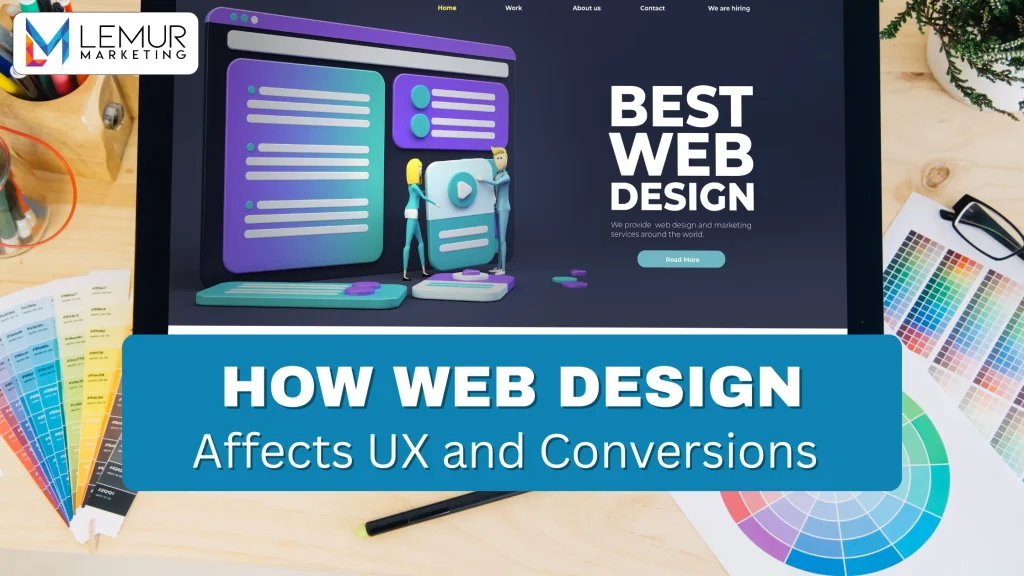
Let’s be honest—most businesses don’t want a website just because it looks good. They want it to bring results. And this is where UX becomes critical.
When people land on your site, their behavior is influenced heavily by the design. If the layout feels confusing, slow, or outdated, they may lose trust—even if your business is excellent.
But when design supports UX, visitors:
- Stay longer
- Explore more pages
- Feel confident in the brand
- Convert at a higher rate
This relationship between Web design and user experience affects everything from click-through rates to form submissions. It even impacts search engine rankings, because Google pays attention to how users behave on your site.
Good UX reduces bounce rate and increases interactions. And in areas like Des Plaines, where local competition can be stiff, small improvements in UX can become a big advantage.
UI/UX Design Trends Businesses Should Follow

Every year, website trends shift slightly based on how people interact with digital content. But some UI/UX design trends are worth paying special attention to, especially for businesses trying to build trust online.
1. Minimalism with Purpose
Clean design, fewer distractions, and more breathing room help users focus on what matters.
2. Bold Typography
Readable, attractive text can instantly improve UX, especially for mobile visitors.
3. Subtle Micro-Interactions
Small animations or hover effects create a sense of responsiveness and engagement.
4. Faster Load Speeds
Speed is a UX factor. Slow websites frustrate users instantly.
5. Personalized Experiences
People respond better when content feels tailored to their needs.
These trends highlight how closely Web design and user experience are linked. Even small design choices can improve clarity, trust, and satisfaction.
Why Businesses in Des Plaines Need Strong UX-Focused Web Design
Des Plaines is a growing city with a diverse mix of local businesses—restaurants, salons, service providers, boutiques, and more. With this variety comes competition, and consumers often choose businesses based on the quality of their online experience.
Whether someone is checking store hours, reading reviews, or booking an appointment, UX matters. Locals expect:
- Simple navigation
- Fast-loading pages
- Clear information
- Accessibility
- Mobile-friendly layouts
This is why many businesses explore Website design services in Des Plaines that prioritize both design and user experience. Good design doesn’t just make a site look nice—it helps local customers complete tasks easily.
And if someone is visiting your site from Google Maps or a local search result, they’re already in “decision mode.” A solid UX can be the difference between gaining or losing a customer.
For anyone wanting to explore more about improving their online presence, the homepage provides additional insights into modern website strategies.
Conclusion: Design and UX Are One Unified Experience
When you peel it back, digital success really comes down to how your website makes people feel. Web design and user experience aren’t separate steps—they’re a single, continuous process that shapes how visitors interact with your brand.
A website may look beautiful, but if people can’t find what they need, the experience falls apart. On the other hand, a site that nails UX but ignores aesthetics may feel outdated or untrustworthy. The magic happens in the blend.
And for a community like Des Plaines—where local businesses thrive on trust, convenience, and ease of access—this blend becomes even more essential.
If you ever need guidance on improving UX or building a modern website experience, you can always reach out through the contact page.